
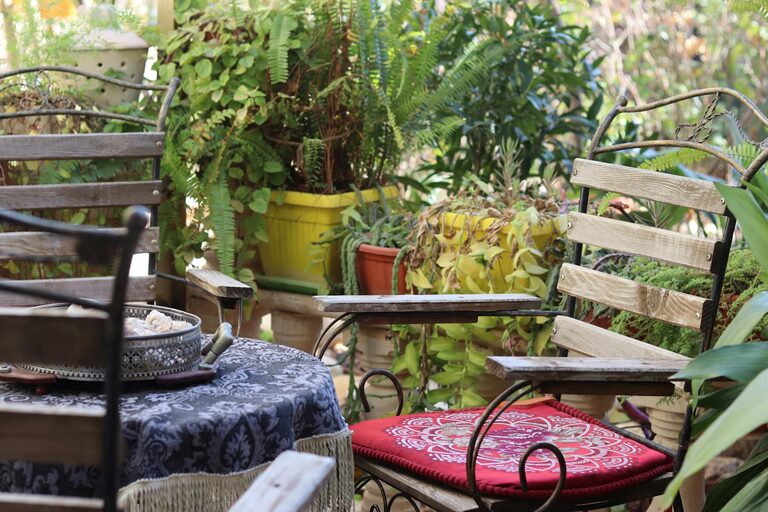
Creating a relaxing home garden space is a wonderful way to bring a sense of calm and enjoyment to your daily life. Whether you have a large garden or a small patio, thoughtful planning and design can help you craft an outdoor retreat that offers peace and tranquillity. This guide shares practical tips to help you design a garden that encourages relaxation and invites you to unwind.
Why Create a Relaxing Garden Space?
Gardens can be much more than just areas for growing plants; they can serve as a sanctuary for rest, reflection, and reconnecting with nature. Spending time outdoors in a calm setting benefits both mental and physical wellbeing, reducing stress and improving mood.
Choose a Quiet Location
Consider Your Garden’s Layout
Begin by assessing your outdoor space and deciding where you can create a relaxing nook. Ideally, pick a spot that is sheltered from noise and distractions — perhaps a corner behind shrubs or along a fence line. If your garden is open, you might use screens or hedges to provide privacy and reduce sounds from neighbours or traffic.
Take Advantage of Natural Features
If your garden already has trees, water features, or gentle slopes, position your seating area near these for maximum effect. A natural backdrop can contribute greatly to a sense of calm.
Select Comfortable and Weatherproof Furniture
Seating Options
Comfortable seating is key to creating an inviting garden retreat. Consider a sturdy bench with cushions, a hammock, or a pair of weatherproof armchairs. Choose materials that suit your climate; for example, treated wood or synthetic rattan can withstand rain and sun well.
Add Shade and Shelter
To relax outdoors regardless of the weather, provide shade with an umbrella, pergola, or canopy. These also help to create a cosy, enclosed feeling that supports relaxation.
Introduce Soothing Colours and Textures
Use Calming Colours
Choose plants and garden furniture in gentle and natural colours such as soft greens, blues, lavender, and earth tones. These hues are known to soothe the mind and encourage restfulness.
Variety of Textures
Mix different textures in plants, garden fabrics, and accessories. For example, pair soft foliage like ferns and lamb’s ear with rough stone pathways or smooth wood surfaces. This creates visual interest without overwhelming the senses.
Incorporate Fragrant and Sensory Plants
Aromatic Plants
Plants with gentle, pleasant scents can enhance peacefulness. Lavender, jasmine, rosemary, and garden mint are excellent choices for a relaxing garden space. Their fragrances promote calm and can even aid sleep if you enjoy your garden in the evening.
Plants for Sound and Movement
Consider plants that gently rustle in the breeze such as ornamental grasses or bamboo. The subtle sounds of moving leaves add to the tranquil atmosphere.
Add Water Features
A small water feature such as a fountain, birdbath, or pond can be very soothing. The sound of flowing water naturally reduces stress and masks unwanted noise. Even a simple bowl with floating plants can offer visual calm.
Create Paths and Zones
Define Areas of the Garden
Use garden paths to guide visitors through different areas — such as a seating spot, planting zones, or a meditation corner. Natural stone or wood chips make attractive and quiet paths.
Seating Zones
Arrange furniture in a way that encourages relaxation and conversation while allowing personal space. Consider adding a small table for tea, books, or plants.
Use Lighting to Enhance Mood
Evening use of the garden is possible with soft, subtle lighting. Solar-powered lanterns, fairy lights, or low-level LED lamps create a welcoming glow without being harsh. Position lights to highlight focal points like trees or water features.
Maintain Simplicity and Keep It Personal
Avoid Clutter
A relaxing garden space should feel open and uncluttered. Limit the number of ornaments and keep furniture and plants well arranged.
Personal Touches
Include items that mean something to you, whether it’s a favourite flower, a piece of artwork, or a cosy blanket on cool evenings. Personal touches make your garden space uniquely restful.
Regular Upkeep for Lasting Enjoyment
Regular maintenance is important to keep your garden inviting. Water plants adequately, remove weeds, and clean furniture and paths. A tidy space is always more relaxing.
Final Thoughts
A relaxing garden space does not have to be complicated or costly. With some thoughtful planning and attention to detail, you can create a peaceful retreat that helps you disconnect from everyday pressures and enjoy nature’s calm. Start small, enjoy the process, and watch your garden become a treasured haven.
—
By following these tips, your home garden can become a sanctuary of relaxation where you can enjoy fresh air, beauty, and tranquillity any time you choose.