Working from home has become a common part of many people’s lives, and having a productive workspace is key to staying focused and motivated. Whether you’re a full-time remote worker or occasionally work from home, setting up an environment that suits your lifestyle can make all the difference. This guide explores simple yet effective ways to create a home workspace that works for you.
Choose the Right Location
The foundation of a productive home workspace is its location. Ideally, select a spot that is quiet, with minimal distractions.
– Separate workspace from leisure areas: Try to avoid setting up your workspace in a bedroom or near the TV.
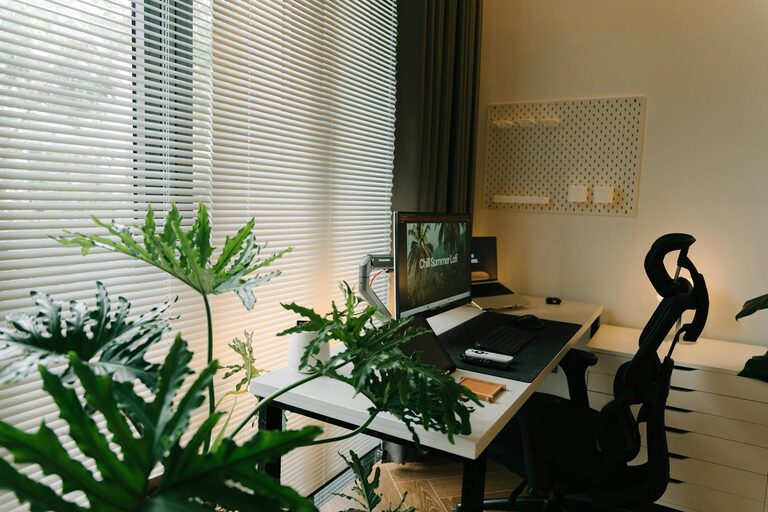
– Consider natural light: Position your desk near a window if possible to benefit from natural daylight, which can boost mood and alertness.
– Space and privacy: Make sure there’s enough room for your equipment and that the space feels private, even if just a corner in a shared room.
Invest in Ergonomic Furniture
Comfort plays a significant role in concentration and productivity.
– Ergonomic chair: Choose a chair that supports your back and encourages good posture to prevent discomfort.
– Desk height: Your desk should be at a height that keeps your arms and wrists comfortable when typing.
– Adjustable options: Desks or chairs that adjust can help you tailor your workspace precisely to your needs.
Keep Your Workspace Organised
A cluttered space often leads to a cluttered mind. Maintaining organisation helps keep your focus sharp.
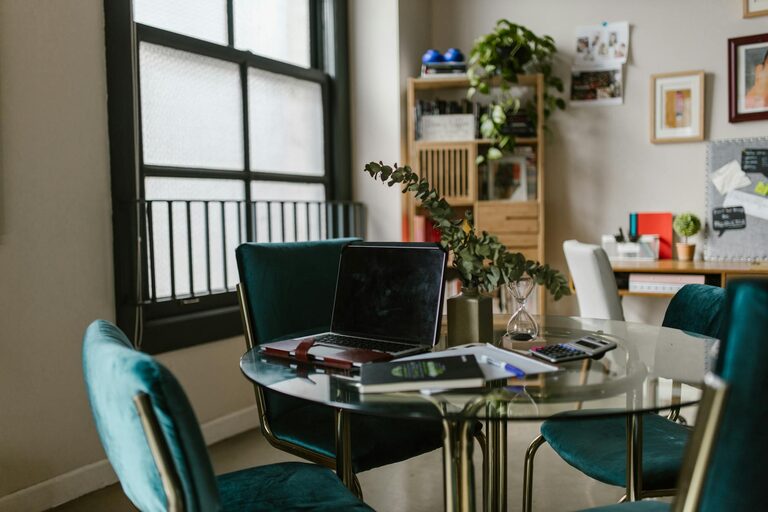
– Use storage solutions: Invest in drawers, shelves, or filing cabinets to neatly store paperwork and supplies.
– Declutter regularly: Set aside a few minutes each day to tidy your workspace.
– Cable management: Use clips or ties to keep cables untangled and out of sight.
Personalise Your Environment
Your workspace should feel inviting and reflect your personality, which can increase comfort and motivation.
– Add plants: Indoor plants improve air quality and add a touch of nature.
– Inspirational items: Display items such as photos or quotes that inspire you.
– Colour scheme: Choose colours that calm or energise you, such as blues for calm or yellows for creativity.
Optimise Lighting
Good lighting is essential for reducing eye strain and maintaining alertness.
– Task lighting: Use a desk lamp that provides sufficient light for reading and computer work.
– Avoid glare: Position screens perpendicular to windows or use blinds to reduce glare.
– Balanced lighting: Combine natural and artificial light to create a well-lit environment throughout the day.
Minimise Distractions
Keeping distractions to a minimum will help you concentrate better.
– Noise control: Use noise-cancelling headphones or soft background music if your environment is noisy.
– Limit tech distractions: Turn off non-work-related notifications on your devices during work hours.
– Set boundaries: Inform household members about your working times to reduce interruptions.
Plan Your Layout for Efficiency
How you arrange your workspace tools and materials affects your workflow.
– Keep essentials close: Place frequently used items within arm’s reach.
– Use vertical space: Wall organisers or shelves can keep materials off the desktop but easily accessible.
– Design for workflow: Arrange your workspace to match how you work, such as having a note-taking area next to your computer.
Establish a Routine
Finally, create habits that signal the start and end of your workday.
– Consistent work hours: Stick to a regular schedule to help your mind switch into work mode.
– Breaks and movement: Take short breaks to stretch or walk to maintain energy levels.
– End-of-day ritual: Clear your workspace at the end of the day to separate work from personal time.
Conclusion
Designing a productive home workspace is about combining functionality with comfort in a way that suits your lifestyle. By choosing a good location, investing in ergonomic furniture, organising effectively, and personalising your environment, you’ll set yourself up for success while working from home. Remember, small changes can have a big impact on your productivity and overall well-being.