
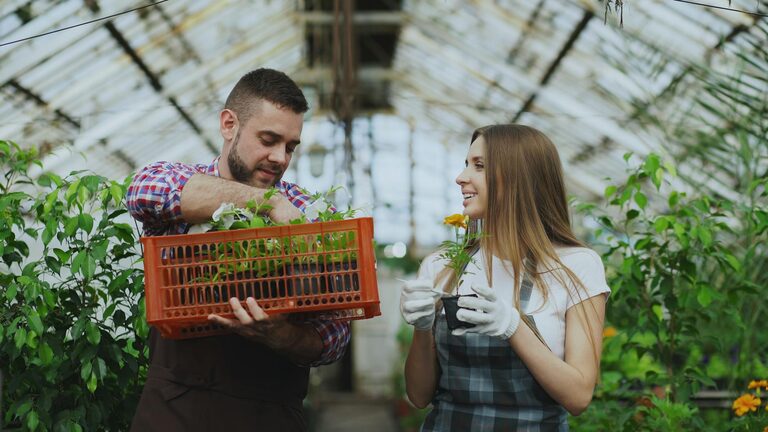
Creating a sustainable home garden that thrives throughout the year is a rewarding endeavour. Not only does it provide fresh, healthy produce and beautiful plants, but it also helps reduce environmental impact by promoting biodiversity, conserving resources, and reducing waste. Whether you are a seasoned gardener or just starting out, these tips will guide you in cultivating a green space that supports both your lifestyle and the planet.
Understanding Sustainability in Gardening
Sustainability in gardening means managing your garden in ways that are environmentally friendly, economically sound, and socially responsible. This includes using natural resources wisely, avoiding harmful chemicals, encouraging wildlife, and maintaining soil health.
Planning Your Year-Round Garden
Choose the Right Plants
Selecting plants well-suited to your local climate is crucial. Native plants generally require less water, fertiliser, and pest control because they are adapted to the local environment. For edible gardens, consider planting a mix of vegetables, herbs, and fruit that provide harvests in different seasons.
Plan for Seasonal Changes
Organise your garden so it offers interest and productivity through spring, summer, autumn, and winter. Plant early, mid, and late-season varieties to extend the growing period. For example, sow hardy vegetables like kale or broad beans in late autumn to enjoy fresh greens during colder months.
Create Microclimates
Use elements like garden walls, fences, or hedges to create warmer or sheltered areas that can protect sensitive plants from wind and frost. This technique allows you to successfully grow a wider variety of plants year-round.
Soil Health is Key
Compost and Mulch
Start a compost bin to recycle kitchen scraps and garden waste into nutrient-rich soil. Compost improves soil structure and fertility naturally. Applying mulch — such as shredded leaves, straw, or grass clippings — helps retain moisture, suppress weeds, and reduces soil erosion.
Minimise Soil Disturbance
Avoid excessive digging or tilling, which can disrupt soil organisms and lead to erosion. Instead, use no-dig gardening methods, layering organic matter on top of the soil to feed plants and maintain soil structure.
Water Management
Harvest Rainwater
Collect rainwater in barrels to reduce dependence on tap water. Using rainwater for irrigation conserves resources and lowers water bills.
Efficient Watering Techniques
Water plants early in the morning or late in the evening to reduce evaporation. Use drip irrigation or soaker hoses to target water directly to the roots, promoting healthier growth without waste.
Drought-Tolerant Plants
Incorporate drought-resistant plants to lower water requirements during dry spells. Succulents, lavender, and sedum are examples suitable for many gardens.
Encourage Biodiversity
Plant Pollinator-Friendly Flowers
Attract bees, butterflies, and other beneficial insects with a variety of nectar-rich flowers. Native wildflowers are particularly valuable for supporting local wildlife.
Provide Habitats
Create small habitats such as log piles, birdhouses, or insect hotels to encourage wildlife to visit and benefit your garden ecosystem.
Avoid Chemicals
Use natural pest control methods instead of synthetic pesticides or herbicides. Companion planting, hand-picking pests, and encouraging predatory insects are effective and safe ways to protect your garden.
Year-Round Care and Maintenance
Crop Rotation
Rotate different plant families in your vegetable beds each year to reduce soil-borne diseases and nutrient depletion.
Winter Preparation
Protect tender plants with fleece or cloches, and tidy the garden by removing diseased plants and fallen leaves to prevent pest habitats.
Continuous Learning
Gardening is a journey. Keep a garden journal to track what works each season and adapt your plans accordingly.
Indoor Gardening and Extending the Growing Season
Use Containers and Greenhouses
Growing plants in pots indoors or in a greenhouse enables you to cultivate certain crops beyond the outdoor growing season. Herbs, salad greens, and chillies often do well in these controlled environments.
Grow Microgreens and Sprouts
These fast-growing plants can be harvested within days and provide fresh greens even in winter.
—
By following these tips, you can enjoy a sustainable home garden that flourishes throughout the year. Your garden will not only provide delicious, fresh produce and beautiful plants but also contribute positively to the environment. Happy gardening!