Creating a home office that is both relaxing and productive is essential for anyone working remotely or running a business from home. The right environment can enhance focus, reduce stress, and make your workday more enjoyable. Whether you have a dedicated room or a small corner, these tips will help you design a workspace that supports your professional needs and personal wellbeing.
Choose the Right Location
The first step in creating a home office is selecting the most suitable spot. Ideally, this should be a quiet area with minimal distractions.
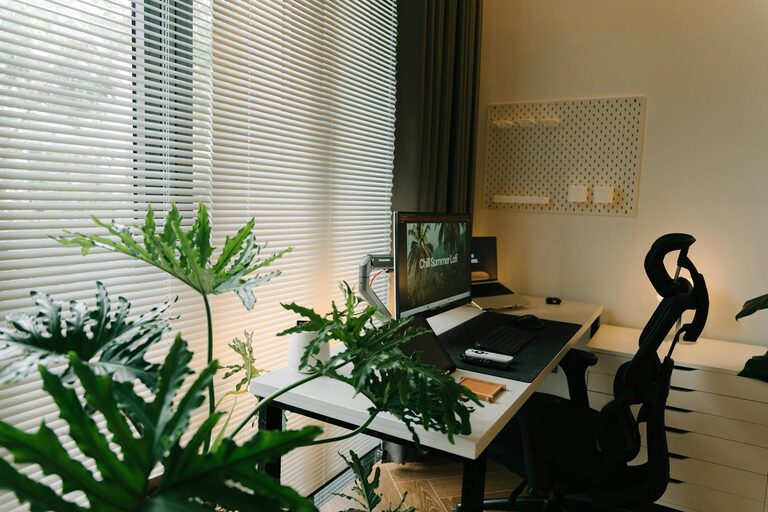
– Natural Light: Position your desk near a window to benefit from natural light. Exposure to daylight can improve mood and energy levels.
– Away from Noise: Avoid placing your office near busy areas like the kitchen or living room if possible.
– Privacy: If you share your home, consider a space where you can close the door or use room dividers to create privacy.
Organise Your Space Efficiently
A clutter-free workspace supports a clear mind. Organising your home office thoughtfully helps maintain focus and saves time.
– Declutter Regularly: Keep only essential items on your desk.
– Storage Solutions: Use shelves, filing cabinets, or boxes to organise paperwork and supplies.
– Cable Management: Use clips or trays to keep cables tidy and prevent a messy look.
Choose Comfortable and Ergonomic Furniture
Spending long hours at your desk requires comfortable furniture to prevent strain and discomfort.
– Desk: Select a desk that fits your space and allows you to stretch your legs comfortably.
– Chair: Invest in an ergonomic chair with adjustable height and support for your back.
– Monitor Placement: Position your screen at eye level to reduce neck strain.
Create a Calming Atmosphere
A relaxing environment helps reduce stress and can improve creativity and focus.
– Colours: Use soothing colours like soft blues, greens, or neutral tones on walls or decor.
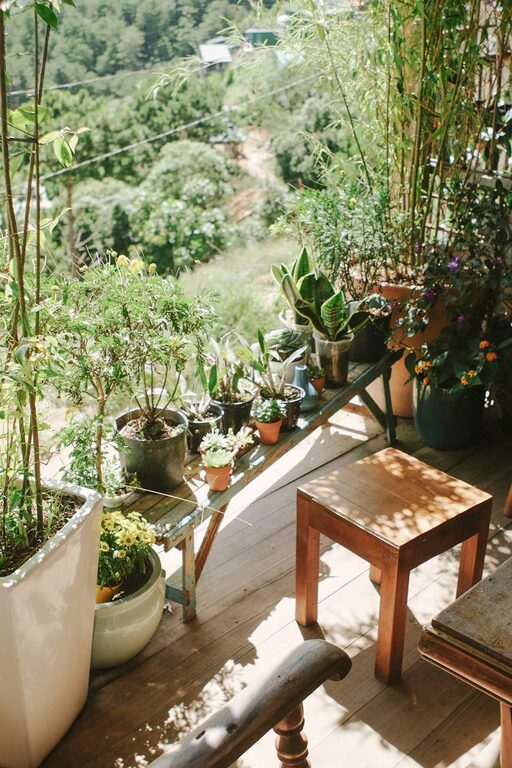
– Plants: Adding a few indoor plants can improve air quality and bring a touch of nature into your workspace.
– Lighting: Use a combination of natural light and warm artificial lighting to avoid harsh glare and eye strain.
Set Clear Boundaries Between Work and Home
Maintaining a balance between work and home life is crucial when your office is at home.
– Work Hours: Establish consistent working hours and stick to them.
– Dedicated Workspace: Keep your work activities confined to your office space to help mentally separate work time from personal time.
– End-of-Day Routine: Develop a routine to transition out of work mode, such as tidying your desk or shutting down electronics.
Personalise Your Workspace
Adding personal touches can make your home office more inviting and motivating.
– Artwork: Display inspiring prints or photos.
– Accessories: Choose desk organisers, cushions, or rugs that reflect your style.
– Scent: Use subtle fragrances like lavender or eucalyptus for added relaxation.
Utilise Technology Wisely
Technology is vital for productivity but can also be a source of distraction.
– Reliable Equipment: Ensure you have a fast internet connection and good-quality hardware.
– Noise-Cancelling Headphones: These are helpful if your environment has external noise.
– Productivity Apps: Use apps for time management, to-do lists, or focus techniques like the Pomodoro method.
Maintain Good Air Quality and Temperature
Comfort also relates to the air you breathe and the temperature of your room.
– Ventilation: Open windows regularly or use an air purifier.
– Temperature Control: Keep your office at a comfortable temperature—neither too hot nor too cold.
– Humidity: A small humidifier can prevent dry air, especially during winter.
Take Regular Breaks
Finally, remember to take breaks to refresh your mind and body.
– Stretching: Stand and stretch every hour to avoid stiffness.
– Short Walks: A quick walk outside can boost circulation and creativity.
– Mindfulness: Practising mindfulness or deep-breathing exercises can help reduce stress.
—
Designing a home office that promotes both relaxation and productivity doesn’t require a complete overhaul. By prioritising comfort, organisation, and personal touches, you can create a space that supports your work and wellbeing naturally. Start small, experiment with these ideas, and tailor your environment to suit your unique needs.